Are crypto casinos still anonymous in 2025? Here's how platforms balance decentralization with global regulations — and what players need to know.

Let’s be honest: one of the biggest early appeals of crypto gambling was the promise of true anonymity. No names, no documents, just a wallet and a few clicks. For players who value privacy — whether for ideological reasons or simply personal comfort — that was a game-changer.
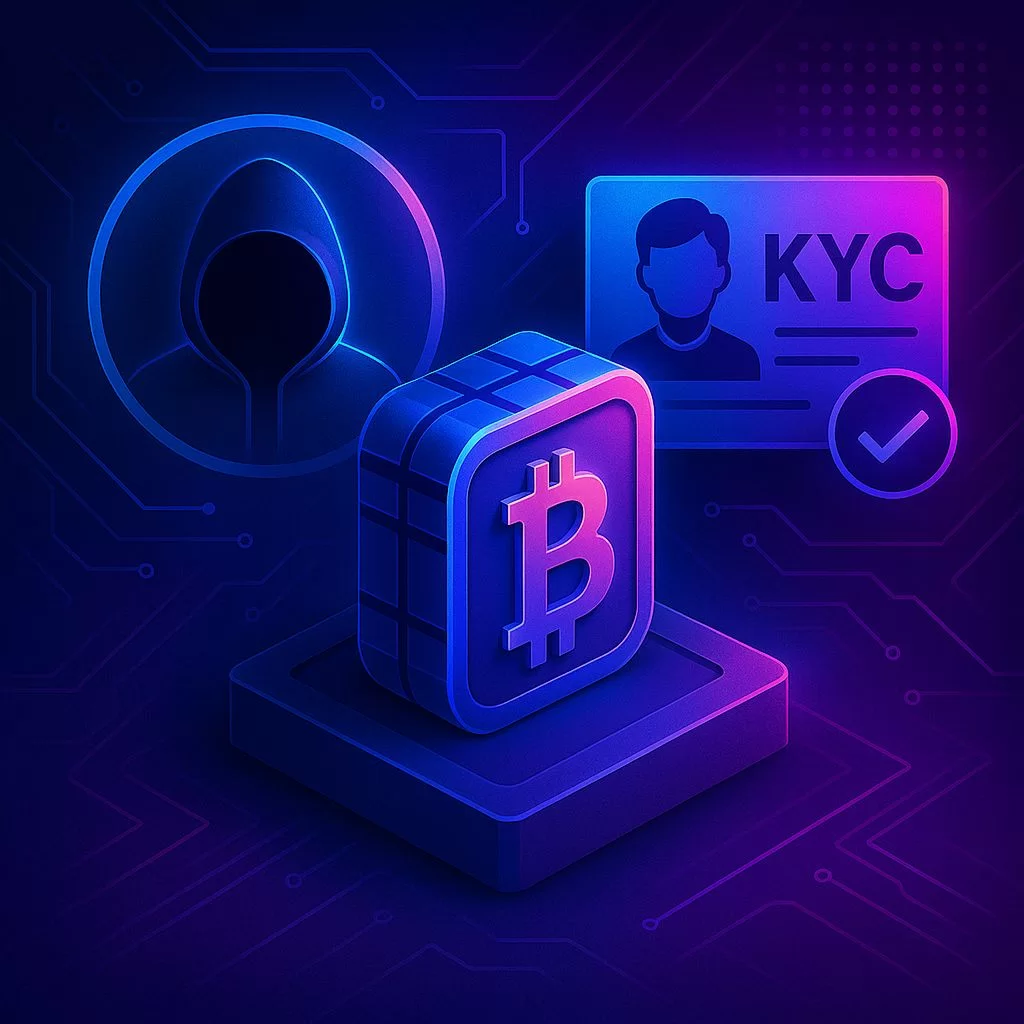
But the crypto world in 2025 isn’t what it was in 2017. Regulations have tightened, jurisdictions are watching, and even decentralized platforms are feeling the heat. The “anonymous gambler with a cold wallet” is still around — but the spaces they can access are shrinking.
And yet, crypto casinos haven’t died. They’ve adapted. What we’re seeing now is a new hybrid model — one that Arab Casinos is tracking closely — where blockchain-powered freedom coexists with smart, flexible compliance.
KYC: Know Your Customer… or Not?
KYC (Know Your Customer) is a set of procedures where a platform verifies your identity — usually by requesting a government-issued ID, a selfie, and proof of address. In the world of crypto casinos, KYC used to be a dirty word. Now? It depends.
Here’s how crypto casinos listed on Arab Casinos are approaching it:
1. No KYC at Sign-Up
- You register with just an email (or no email at all).
- Deposit crypto directly from your wallet.
- Play instantly.
- Catch: Withdrawals are capped, bonuses are limited, and any “suspicious activity” triggers a verification request.
This model is still alive and well — especially on platforms built outside the U.S. and EU legal frameworks. Players from the Arab world often favor this style for its speed and ease, especially when using VPNs or privacy-focused wallets.
2. KYC Only for Large Withdrawals
- You can play, deposit, and even win without verifying anything — until you try to withdraw large sums.
- The threshold varies, but common limits are $2,000 to $10,000 per month.
- Once you hit it, the platform asks for ID and proof of address.
This approach strikes a balance. It respects user privacy while keeping the casino legally defensible. For most casual players, it means you can still enjoy crypto roulette or blackjack without giving up your passport photo.
3. Full KYC from the Start
- Required before your first deposit or within 24 hours of sign-up.
- Often involves automated verification tools like OCR and facial recognition.
- Compliance with AML (Anti-Money Laundering) standards.
This is becoming the norm on platforms that want to expand globally or offer fiat onramps alongside crypto. While it may seem anti-crypto, it also opens the door to credit card payments, higher betting limits, and institutional backing.
Arab Casinos keeps an updated list of platforms, so players can choose the level of privacy they’re comfortable with.
What About the MENA Region?
Players from the Arab world face a unique landscape. Local laws vary wildly — from countries where gambling is fully restricted (like Saudi Arabia) to places with looser enforcement or growing gray markets (like Lebanon or parts of the UAE).
Here’s what makes crypto gambling both attractive and complicated for the region:
- Crypto = international freedom. When local banks block gambling transactions, crypto is a workaround.
- Privacy is cultural. Many players prefer platforms where identity is protected — especially women, younger users, or professionals who don’t want gambling tied to their name.
- Language matters. Arabic-language interfaces, support, and payment tools make or break the experience.
- Compliance tension. Some players want high-stakes play and fast withdrawals — which often require KYC. Others prefer small, anonymous bets without strings attached.
Arab Casinos curates platforms that respect these needs — offering both privacy-first options and regulated, secure ones for different styles of play.
⚖️ Is KYC a Dealbreaker?
For some crypto purists, absolutely. If a platform wants your face and ID, they’re out.
But for the majority of users in 2025? Not anymore.
Why? Because the benefits are real:
- Bigger limits
- Faster, safer withdrawals
- Improved dispute resolution
- Access to fiat gateways and loyalty perks
Most players are now asking, “Is this platform trustworthy?” not just “Is it anonymous?”
Trust, in crypto casinos, is shifting from pure decentralization to a blend of tech + transparency + optional KYC.
Tips for Choosing Your Level of Openness
Whether you want to stay completely private or you’re okay going full KYC, here’s how to stay smart:
Read the fine print. Check KYC policy before depositing. Some sites bury it in their Terms.
Test with a small deposit. Use $10–$50 in crypto first. See how the wallet system works, how support responds, and how transparent the site feels.
Avoid shady “no KYC” promises. If it looks too good to be true, it probably is. Real platforms explain their limits.
Use separate wallets. Don’t link your main crypto stash to a gambling account. Ever.
Check Arab Casinos. Our listings include sites with support, language availability, and withdrawal policies tailored for Arab users.
KYC and the Future of Crypto Gambling
Here’s the paradox: crypto gambling was built on no trust needed — just code. But in 2025, trust is coming back in — not through banks, but through clear terms, visible teams, and voluntary compliance.
KYC doesn’t have to mean the end of privacy. It just means more options for more types of players. In the end, it’s about choosing your level of exposure — and making sure the platform respects that.
Best Casinos