Description: Gamification in online casinos is changing how people play: from XP and badges to missions and leaderboards, it’s casino 2.0.

Something surprising is happening in the world of Arab online casinos — and no, it’s not just crypto, live dealers, or VR tables. It’s gamification. The same tools that made mobile RPGs addictive and fitness apps engaging are now quietly redefining the online casino experience. Players are no longer just hoping to win; they’re completing missions, collecting XP, leveling up, and unlocking new content.
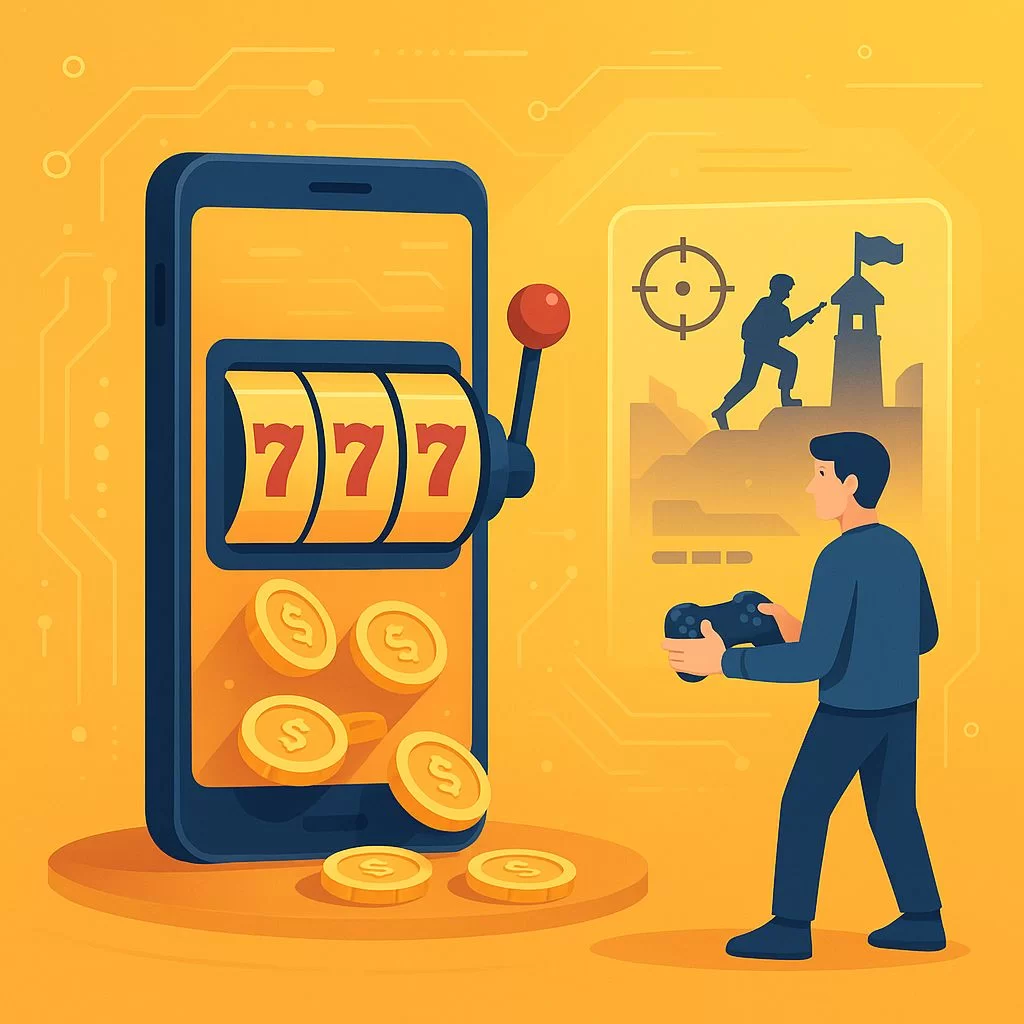
This isn’t window dressing. It’s a full-scale shift in how digital gambling works — especially for Gen Z and millennial users who expect every online activity to come with a sense of progress, personalization, and reward.
Let’s unpack this.
What Is Gamification — and Why Is It Everywhere?
Gamification refers to the use of game-like systems — such as points, levels, achievements, and quests — in non-game contexts. It’s been used in education, health, dating apps, and now: online gambling.
Instead of offering players just a spin or a bet, platforms now create entire meta-layers of activity:
- Complete 5 spins on slot X and get 20 coins.
- Reach level 7 to unlock VIP drops.
- Win 3 games in a row for a bonus loot box.
These aren't just gimmicks — they're behavioral tools. They create habits, incentivize return visits, and transform passive gambling into an active, goal-driven experience.
And in Arab markets — especially mobile-first regions like Saudi Arabia, UAE, and Egypt — gamification hits differently.
Why Arab Players Are Especially Drawn to Gamified Systems
There are several reasons this trend is exploding across Arabic-speaking audiences:
1. Mobile gaming culture is already huge
From PUBG Mobile tournaments in Jordan to FIFA clans in Riyadh, young Arabs are no strangers to leveling up, grinding, and chasing weekly missions. Online casino apps are tapping into that same behavioral pattern — but with real money and real stakes.
2. Short sessions demand quick wins
Many players in the region engage in short bursts — a few minutes between work, study, or prayer. Missions, streaks, and dailies fit this perfectly: they provide structure and closure in 3 to 10 minutes.
3. Social bragging rights
In some platforms, progress is visible — avatars, badges, top 10 rankings. For Gen Z users in Gulf countries who often engage in status-flexing across games and apps, this adds extra motivation to play and share.
4. It feels more like gaming than gambling
For users who might be hesitant about “gambling” due to cultural norms, a mission-based approach reframes the experience. It’s less about money, more about progression. You’re not betting — you’re completing.
Key Gamification Features in Today’s Casinos
Let’s break down the mechanics that define modern gamified casino platforms:
Missions and Challenges
The core of gamification. These are short-term goals like:
- Play 5 different slot games today.
- Land 3 wins in under 5 minutes.
- Place a bet using cryptocurrency.
These challenges rotate daily or weekly, keeping content fresh. They act like quests in an RPG — guiding users toward diverse games and mechanics they may not have explored otherwise.
XP Systems and Leveling
Just like in Call of Duty or Candy Crush, players now gain experience points (XP) for every action — bets, wins, logins. As they level up, they unlock access to:
- Exclusive games
- Bigger bonuses
- Custom avatars or skins
- Entry into high-level tournaments
This system creates a sense of investment — you’re building something, not just clicking and hoping.
Badges and Achievements
Casinos now offer digital “trophies” for specific accomplishments:
- “Early Bird” for logging in before 8am five days in a row.
- “Survivor” for winning 10 rounds without reloading.
- “Explorer” for trying 20 different games.
These badges often don’t have direct value — but they offer bragging rights. And that’s a value younger users deeply understand.
Event Tracks and Seasons
Some platforms introduce limited-time tracks or seasonal events. Think: Ramadan Missions, Summer XP Race, or “Crypto Clash” events. These bring the Fortnite/Battle Pass logic into casino land — play more during the event window, earn better loot.
Players often unlock:
- Boosters (temporary higher RTP)
- Skins for games or interface themes
- Randomized reward boxes
It’s short, intense, and sticky — and it works.
Social Leaderboards
Ranking systems show where you stand against others. This could be:
- Biggest win of the day
- Fastest Plinko streak
- Most XP gained in 24 hours
For competitive players, this triggers dopamine faster than a jackpot. It’s about being seen — and staying ahead.
The Psychology: Why Gamification Feels So Good
This isn’t accidental. Gamification taps into deep cognitive loops:
- Variable reward schedules keep the brain guessing (and coming back).
- Visual progression gives a sense of achievement, even in short sessions.
- Anticipation cycles — “Just 1 more mission and I level up” — drive extended play.
And unlike pure gambling, where loss is often the dominant memory, gamified systems provide alternative outcomes: you may not win money, but you gained XP, earned a badge, climbed a level. That emotional cushioning builds long-term loyalty.
What It Means for Operators
If you're building or optimizing a casino platform for the market, gamification is no longer optional — it’s expected.
Here's what forward-looking brands are doing:
- Building modular achievement systems that span across game types
- Integrating daily spins or loot wheels as retention tools
- Launching “soft” currency layers — like gems or tokens — to separate game value from money value
- Offering gamified onboarding: new users start with a “tutorial questline” just like in mobile RPGs
Bonus: gamification also makes user segmentation smarter — you can track not just deposits, but playstyle patterns.
Challenges Ahead
Of course, not every implementation works. Lazy gamification feels hollow — nobody cares about generic badges or missions that repeat endlessly. Here’s what to avoid:
- Overcomplication: If players need a manual to understand the reward tree, you’ve lost them.
- Fake rewards: Badges must feel earned, not random.
- Paywalls too early: Let users feel success before asking them to deposit more.
Also, culturally, gamification must align with regional values. For example, offering missions tied to Ramadan themes can engage — but only if handled respectfully.
What’s Next?
Gamification is just getting started. The next wave will bring:
- Avatar-based casino profiles
- Skill-based missions with real-time puzzles
- Social alliances between players
- Hybrid casino–RPG apps
- Integration with Discord/Telegram bots for real-time mission updates and multiplayer races
In many ways, the casino is becoming less a place to gamble and more a platform for interactive entertainment.
Final Level
Gamification isn’t replacing gambling — it’s reframing it. In Arab online casinos, it creates space for playfulness, strategy, and identity — not just chance.
And that’s what modern users are hungry for: experience, not just outcome.
So next time you open a casino app and see a “Mission Tracker” instead of a slot reel, don’t be surprised. The game has changed.
Literally.
Best Casinos